Please take a moment to bookmark our new address. I've been posting there for a while but just got around to extending the invitation to the new digs here.
Thanks to Driskellmade Studios for the great design work that went into integrating the blog into our newly designed web site and thank you for following along. We look forward to seeing you there!
Saturday, June 12, 2010


Thursday, December 31, 2009
I resolve...
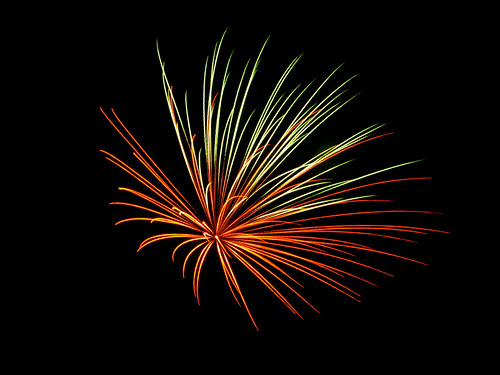
Ok, I'll play. My single biggest imaging related resolution this year is to grow my skill set in 2010 at least as much as I did in 2009. This has been a huge year of personal development for me, carefully but ambitiously laying the foundation for things to come.
I invested far more in training than gear this year and I believe it was a sound investment. I can see a marked improvement in my lighting, composition, story telling and most importantly, subject interaction that showed up big time in my portfolio. That's good but it will be compounded this year with a similar strategy.
I resolve that by the end of 2010 my book will be full of new images that put my current work behind me. That's why Santa brought me more training this year instead of a new lens, strobe or camera body. I can always use more toys (tools) but I figure the training is more likely to lead to assignments that pay for the gear than the gear is to lead to assignments that pay for the training.
May we all grow by leaps and bounds this year, but most of all may we have so much fun doing it that we actually take the time to leap and bound a bit. Blessings to you - Thanks for being a part of the journey!
Tuesday, December 29, 2009
Happy New Year From Ice Imaging!
Much to the chagrin of my very patient family, I decided to have a little fun taking down the Christmas tree this year. The dog dropped in for a single frame while I had my back turned. See if you can spot his cameo appearance. Thank you to all of the friends, family, clients, associates and faithful pets that have made 2009 such a great year for us. God bless you - HAPPY NEW YEAR!
Thursday, December 24, 2009
Merry Christmas!
May your life be bright, colorful and full of joy this year...

Merry Christmas from our family to yours.

Merry Christmas from our family to yours.
Thursday, November 19, 2009
Is That All?
I saw this post on the Digital Photography School web site today and it inspired me to think through and document the post-processing steps I take on the majority of my images. It helped me to think through why I do what I do and identify a few things that I could probably better automate. For those interested, here's what I usually do with the files after I wave goodbye to the client.
Let's start after the obvious steps of nailing the shots on set then saving and backing-up of the files:
1) Review the pre-session notes and make sure I have the story I was trying to capture clear in my mind (explained here)
1a) Re-read notes and make sure that I'm sure I have the story I was trying to capture clear in my mind.
2) Select the images that do the best job of illustrating that story.
3) Second pass to pick the best technical shots from that group.
4) Open in Camera Raw and make sure my camera's profile is selected.
5) Click "auto", review what Adobe suggests then set it back to "default".
6) Crop and set the white balance.
7) Tweak the exposure, brightness, fill and black sliders to set the highlight and shadows where they need to be for the story I'm trying to tell.
8) Jack up the vibrance slider until I see the peaks of the histogram start to drop.
9) Back off the saturation slider until the colors enhance the tone of the story.
10) Add clarity until the histogram peaks start to move up then tweak a bit one way or the other to taste.
11) If the image has skin tones in it I'll click on the HSL/grayscale tab and bump the luminance of the oranges a little to help bring them forward.
12) Work the luminance and saturation sliders on all of the individual colors to better isolate the subject and match the background to the mood of the story.
*** Side note: Yes, again with the story - remember, unless you are in a line of work that requires photocopy level "truth" in your images your goal is not to tell the truth, it is to tell the story. Don't get hung up on "rules". Get hung up on the story. Most photographers should be entertainers first and foremost, not just reporters. If you are adding a strong accent to your story, in the form of heavy post processing, make sure it's because the accent adds to the story, not just because you liked the way it looked when another photographer used it. If you are strongly opposed to those things please make sure your reasons are, again, tied to your story, not just a list of self imposed limitations. Remember, 99% of the people who look at a picture are looking at the story, not the image. The other 1% are probably competitors, not clients. Ok, back to our regularly scheduled program***
13) Open in Photoshop at 16 bits.
14) Massage, tweak, stack, select, clone, heal, blend, cut, paste, liquify, dodge, burn, mask, filter, etc., etc, etc. - per story requirements. This can be minor or extreme. Sorry I can't be more specific, this part can go a thousand directions and it's never the same way twice. Neither is the story.
15) Sharpen with a high pass filter and save per job requirements.
16) Repeat as required until job is ready for delivery.
Finally, one of my favorite parts:
17) Pick a few of the shots that speak to me and PLAY!!
As you can probably guess by this work flow, I may shoot a lot on site but I rarely deliver a huge volume of final images to the client. I kind of feel like any story that takes several hundred images to tell could probably use a little more clarity from the start. I made the decision early on that I was going to specialize in capturing and developing a vibrantly told story in as few images as possible so that I could give those images the attention they deserve. My goal is to entertain and engage the viewers who invest their time and attention in my client's story without loosing them along the way. Fifteen images is kind of my base line number for a full blown portrait session but that's pretty arbitrary. Some ad jobs only require one and some require a LOT more, but if I haven't delivered in 15 images or less, the viewers are going to be very tired of hearing from me by the 100th frame. If I do it right I believe people will invest more time looking at those 15 images than they would reviewing a typical higher volume set. I know I sure do.
Let's start after the obvious steps of nailing the shots on set then saving and backing-up of the files:
1) Review the pre-session notes and make sure I have the story I was trying to capture clear in my mind (explained here)
1a) Re-read notes and make sure that I'm sure I have the story I was trying to capture clear in my mind.
2) Select the images that do the best job of illustrating that story.
3) Second pass to pick the best technical shots from that group.
4) Open in Camera Raw and make sure my camera's profile is selected.
5) Click "auto", review what Adobe suggests then set it back to "default".
6) Crop and set the white balance.
7) Tweak the exposure, brightness, fill and black sliders to set the highlight and shadows where they need to be for the story I'm trying to tell.
8) Jack up the vibrance slider until I see the peaks of the histogram start to drop.
9) Back off the saturation slider until the colors enhance the tone of the story.
10) Add clarity until the histogram peaks start to move up then tweak a bit one way or the other to taste.
11) If the image has skin tones in it I'll click on the HSL/grayscale tab and bump the luminance of the oranges a little to help bring them forward.
12) Work the luminance and saturation sliders on all of the individual colors to better isolate the subject and match the background to the mood of the story.
*** Side note: Yes, again with the story - remember, unless you are in a line of work that requires photocopy level "truth" in your images your goal is not to tell the truth, it is to tell the story. Don't get hung up on "rules". Get hung up on the story. Most photographers should be entertainers first and foremost, not just reporters. If you are adding a strong accent to your story, in the form of heavy post processing, make sure it's because the accent adds to the story, not just because you liked the way it looked when another photographer used it. If you are strongly opposed to those things please make sure your reasons are, again, tied to your story, not just a list of self imposed limitations. Remember, 99% of the people who look at a picture are looking at the story, not the image. The other 1% are probably competitors, not clients. Ok, back to our regularly scheduled program***
13) Open in Photoshop at 16 bits.
14)
15) Sharpen with a high pass filter and save per job requirements.
16) Repeat as required until job is ready for delivery.
Finally, one of my favorite parts:
17) Pick a few of the shots that speak to me and PLAY!!
As you can probably guess by this work flow, I may shoot a lot on site but I rarely deliver a huge volume of final images to the client. I kind of feel like any story that takes several hundred images to tell could probably use a little more clarity from the start. I made the decision early on that I was going to specialize in capturing and developing a vibrantly told story in as few images as possible so that I could give those images the attention they deserve. My goal is to entertain and engage the viewers who invest their time and attention in my client's story without loosing them along the way. Fifteen images is kind of my base line number for a full blown portrait session but that's pretty arbitrary. Some ad jobs only require one and some require a LOT more, but if I haven't delivered in 15 images or less, the viewers are going to be very tired of hearing from me by the 100th frame. If I do it right I believe people will invest more time looking at those 15 images than they would reviewing a typical higher volume set. I know I sure do.
Wednesday, November 18, 2009
Flame-on

There are those who believe that any image manipulation is something new and evil, and that anything that isn't created in the camera should be shunned as something less than pure. I've got a few subjects in my portfolio who are probably glad I don't take that self imposed limitation too seriously. A quick study will reveal that few of the old school masters of the darkroom did either.
Tuesday, November 17, 2009
Liar, Liar Brains on Fire...

I like mustard. I like sweet potatoes. This is a big deal.
One of my 2009 new years resolutions was to learn to like the taste of mustard and sweet potatoes before the end of the year (not together mind you) . That may sound like a silly exercise but I've hated them both all my life so much that I literally had a hard time swallowing a bite of anything that had a hint of either one in it. I use to jokingly tell my waiter not to prepare my food in the same kitchen where mustard had been used.
Today I enjoy the taste of both of them enough to eat them fairly often. It turns out my own brain had been lying to me all my life about the taste of mustard and sweet potatoes. They are actually quite delicious.
What does that have to do with photography or creativity?
Simple - Confront your brain. It's lying to you. It's been lying to you most of your life.
Your brain is forcing you to see things the way you have always seen them. It wants you to go with what it tells you at first glance. It wants you to reject the unfamiliar and accept only what it hands you after it has applied all of the filters that help to keep you sane.
Children move those filters out of the way all the time and discover new truths and new skills at an amazing rate but in time the brain builds enough experience based evidence that it gets harder to push around. It eventually becomes a mountain that is very difficult to move and even harder to see around. Everything starts to get... predictable.
It takes a little faith to move that mountain, faith that there is more there than meets the eye. Faith is not the absence of doubt, it is the cultivation of the doubt that what you are seeing is all there is to see. Crazy hu, the idea that the seed of faith is doubt? It develops into something more, and one of the side effects is creativity, but faith sprouts from the seed of looking your brain square in the face, doubting what it's been telling you, then calling its bluff.
It's not a mustard seed, it's a creative seed, but they are about the same size, small enough to be easy to miss. You get one every time you remind yourself that your brain is lying to you. Plant one and see what grows. It may not be what you expect but it will certainly be more interesting than sitting around looking at the same mountain of predictable misinformation all day.
Sunday, November 15, 2009
Velcro Fly

This was an image inspired by the ZZ-Top song "Velcro Fly." It started life as this creative commons licensed stock image.

Fly Source, originally uploaded by goldenwreckedangle.
Anyone with enough discipline, faith, hard work and imagination can transform their life in pretty much the same way. How far do you want to go? There is a way.
Friday, November 13, 2009
Story Telling Tips
I just listened to a podcast that is a perfect follow up to yesterday's post about storytelling. This is a short Scott Bourne interview with Kevin Shahinian, filmaker for Pacific Pictures, a cinema company you really need to check out.
Click the link to the podcast right here. I guarantee you will learn at least one new story telling secret worth the six minutes or so it takes to listen to the full interview.
Click the link to the podcast right here. I guarantee you will learn at least one new story telling secret worth the six minutes or so it takes to listen to the full interview.
Thursday, November 12, 2009
Don't forget to wink!
I've been adding light, and lots of it, to just about everything I'm shooting lately. A lot of the images involve building a small scene, locking the camera on a tripod, then layering light on to the image one photon at a time until I have what I want in the final image.
It's a good metaphor for the way I've built up my style and technique over the last couple of years. I pretty much started in the dark and worked my way up to where I am now by adding one layer of new knowledge after another until I'm reasonably satisfied with the results I'm currently getting. The thing is though, I hate that word, "satisfied." It leads to "beautifully boring" and every time I get close to that place I find myself panicking a little and looking for something new and unexpected to shake things up a bit.

Do you ever do that?
Sure you do, I think most creatives feel that way often, and while our spouses rarely understand it, it's actually a healthy thing. However, I think it's caused by something that's easy to miss and the way we tend to try and solve it can actually make it worse with effort. The tendency is to keep adding bigger and brighter lights (knowledge, technique, equipment, etc.) until we start to go blind trying to see our way through all of that brilliance into the bold new future we all feel compelled to create. I think I've found the answer - "Don't forget to wink."
That's a phrase I've been saying to myself often lately and it always brings me around to a clearer vision and renewed purpose when the lights start to get a little overwhelming. It's a reminder to close one eye and look through the view finder on my camera and to stay there until I see the story I'm shooting isolated from all of the clutter. I can stand there with both eyes open, looking at a room full of light stands, softboxes, umbrellas extension cords, battery packs, light meters and all of the other things that go into building a complex shot and it just doesn't seem to be coming together. Then somewhere out of my subconscious comes that little phrase, "don't forget to wink." I close one eye, and peer into the view finder. It's like shaking a magic snow globe and getting transported into another world. There's a magical little story unfolding in there and I'm the only one in the room who can see it (shhhh - wink, wink! This is a secret world all photographers get to themselves for a few moments on every job, let's keep it quiet ok?).
"View finder." What a perfect name, but you can't just look through it and turn it into one, you have to learn to wink through it. You wink at something you share a secret with and in this case, the secret is the story. When I tell myself, "don't forget to wink," it's a reminder to think about the story going on in that little magic snow globe and be sure I'm telling it in the most engaging way possible. The images that capture that wink will stand out over the images that don't as sure as a person winking at you in a crowd will draw your eye in a hurry.
President Clinton was famous for the sign on his desk that read, "it's the economy stupid." As creatives, the sign on our desk should read, "it's the story stupid!" It helps if it's well lit, well composed, well focused and up to date with the latest trends but all we've really got to offer, all that people really want to see, is the story in the picture. I started telling my oldest son when he was just an infant that if he could learn to tell stories well he could rule the world. I stand by that and the camera is one of the best story telling devices ever invented.
If you have clients they aren't paying you for a picture, they are paying you to tell their story. It doesn't matter if it's a product or a person, all of that gear and light and knowledge is worthless if you fail to tell that story. You will take a portrait of some people that want you to tell the story of how tough they are. Others want you to tell the story of what a great mom they are, how much fun you could have if you only knew them better, or that they are an amazing athlete. A client may want you to tell the story of what their product can do for the viewer, what their company has done for the planet or a thousand other things that can all be said in a glance if the image is right. Make sure you have a very firm grasp on that story before you think about anything else.
Be flexible. The story will probably evolve during the shoot but you can't throw enough light at a dim starting concept to make it brilliant in the end.
Can I be straight with you? I'm kind of tired of the story I keep seeing repeated in a thousand different portfolios every day. I'm kind of tired of seeing it in mine. The story goes something like this, "hi, I'm another well lit subject sitting in front of another brilliant photographer who doesn't know my name but who wants me to tell you that he's got something important to say."
I'm pretty sure that's where the "beautifully boring" thing that all creatives hate but find themselves flirting with from time to time comes from. I think the answer is to forget all of the gear for a while and go back to that first step, learning to tell a good story. Study good stories by others. Ask a lot of questions. Figure out the story you want to tell. Write it down. Build a scene. Is this a dark story or a bright story? Add some light and see if the story gets better. Where do the shadows belong in this story?
Tweak it. Make it better. Get it? It's the story stupid! (nothing personal, it's just a sign) Wink!
It's a good metaphor for the way I've built up my style and technique over the last couple of years. I pretty much started in the dark and worked my way up to where I am now by adding one layer of new knowledge after another until I'm reasonably satisfied with the results I'm currently getting. The thing is though, I hate that word, "satisfied." It leads to "beautifully boring" and every time I get close to that place I find myself panicking a little and looking for something new and unexpected to shake things up a bit.
Do you ever do that?
Sure you do, I think most creatives feel that way often, and while our spouses rarely understand it, it's actually a healthy thing. However, I think it's caused by something that's easy to miss and the way we tend to try and solve it can actually make it worse with effort. The tendency is to keep adding bigger and brighter lights (knowledge, technique, equipment, etc.) until we start to go blind trying to see our way through all of that brilliance into the bold new future we all feel compelled to create. I think I've found the answer - "Don't forget to wink."
That's a phrase I've been saying to myself often lately and it always brings me around to a clearer vision and renewed purpose when the lights start to get a little overwhelming. It's a reminder to close one eye and look through the view finder on my camera and to stay there until I see the story I'm shooting isolated from all of the clutter. I can stand there with both eyes open, looking at a room full of light stands, softboxes, umbrellas extension cords, battery packs, light meters and all of the other things that go into building a complex shot and it just doesn't seem to be coming together. Then somewhere out of my subconscious comes that little phrase, "don't forget to wink." I close one eye, and peer into the view finder. It's like shaking a magic snow globe and getting transported into another world. There's a magical little story unfolding in there and I'm the only one in the room who can see it (shhhh - wink, wink! This is a secret world all photographers get to themselves for a few moments on every job, let's keep it quiet ok?).
"View finder." What a perfect name, but you can't just look through it and turn it into one, you have to learn to wink through it. You wink at something you share a secret with and in this case, the secret is the story. When I tell myself, "don't forget to wink," it's a reminder to think about the story going on in that little magic snow globe and be sure I'm telling it in the most engaging way possible. The images that capture that wink will stand out over the images that don't as sure as a person winking at you in a crowd will draw your eye in a hurry.
President Clinton was famous for the sign on his desk that read, "it's the economy stupid." As creatives, the sign on our desk should read, "it's the story stupid!" It helps if it's well lit, well composed, well focused and up to date with the latest trends but all we've really got to offer, all that people really want to see, is the story in the picture. I started telling my oldest son when he was just an infant that if he could learn to tell stories well he could rule the world. I stand by that and the camera is one of the best story telling devices ever invented.
If you have clients they aren't paying you for a picture, they are paying you to tell their story. It doesn't matter if it's a product or a person, all of that gear and light and knowledge is worthless if you fail to tell that story. You will take a portrait of some people that want you to tell the story of how tough they are. Others want you to tell the story of what a great mom they are, how much fun you could have if you only knew them better, or that they are an amazing athlete. A client may want you to tell the story of what their product can do for the viewer, what their company has done for the planet or a thousand other things that can all be said in a glance if the image is right. Make sure you have a very firm grasp on that story before you think about anything else.
Be flexible. The story will probably evolve during the shoot but you can't throw enough light at a dim starting concept to make it brilliant in the end.
Can I be straight with you? I'm kind of tired of the story I keep seeing repeated in a thousand different portfolios every day. I'm kind of tired of seeing it in mine. The story goes something like this, "hi, I'm another well lit subject sitting in front of another brilliant photographer who doesn't know my name but who wants me to tell you that he's got something important to say."
I'm pretty sure that's where the "beautifully boring" thing that all creatives hate but find themselves flirting with from time to time comes from. I think the answer is to forget all of the gear for a while and go back to that first step, learning to tell a good story. Study good stories by others. Ask a lot of questions. Figure out the story you want to tell. Write it down. Build a scene. Is this a dark story or a bright story? Add some light and see if the story gets better. Where do the shadows belong in this story?
Tweak it. Make it better. Get it? It's the story stupid! (nothing personal, it's just a sign) Wink!

Tuesday, October 27, 2009
Should photographers be a little more anti-social?
Anti- social networking that is. With the explosion of twittering, facebooking, blogging and general social networking going on in the pro photography community these days I wonder if camera manufacturers should be adding texting keyboards to their pro level DSLR's as well as video. Not if high end commercial shooter Tim Tadder has anything to say about it. He serves up a good reminder of the importance of photographers keeping their focus point on what really matters, making images that absolutely ROCK!
Friday, October 16, 2009
Critical Reviews
The only serious photographer who should be remotely ashamed of his current body of work is the one who can no longer scoff contemptuously at the work he was creating a year ago. It's a good idea to submit your best stuff to QUALIFIED critics from time to time as a path to new growth but the more you invest in qualifying yourself to become your own best critic, the faster you will grow.
Here is the danger in that. I don't think I've been fully satisfied with an image I've created in a long time. I try not to lie to myself but I know I can do better... every time. Sometimes the critic I've developed in myself takes the joy and passion out of what I am creating right now.
When I see that happening I give him the day off. I pull out my camera phone and take pictures of the Don King hairdo I made on my 14 month old out of bath time soap bubbles. I set up the tripod and shoot a lousy stop motion animation of my 8 year old and I building a Lego model. I throw up the lights at a family reunion and allow myself to take over lit snapshots of the people I love. In essence, I try to go back to the days when the camera was a toy instead of a tool. I give myself permission to suck at photography for a day and enjoy it.
I'll also take some time to review the work I've shot in the past. I let the critic in me rip the photographer I used to be a little so he can ease up on the one I am today. I can see the development from one month to the next but I'm also inspired again by some of the hidden gems tucked away in those old directories. It's nice to see how many times I got it right, even when I didn't know the precise, technical, photographic definition of "right."
I find that I always come back to the paycheck work with a fun sense of humor, a more relaxed spirit, and a renewed passion for image making. It tends to show up in my frames like a proverbial catch light; a sparkle that people feel when it's there but they can't put their finger on what makes that image better than the one where that subtle thing is missing.
If you get discouraged by your images now and then, that's good. It's the mark of an unrelenting drive to be better. Just don't stay there, and sure enough don't let anyone else put you there, especially online critics of your work. If you are better than you were a year ago, congratulate yourself and keep trudging ahead. If not, I don't care how good you are, you need to shake it up, because you could be... you should be, a whole lot better. Don't have the same regrets a year from now.
Here is the danger in that. I don't think I've been fully satisfied with an image I've created in a long time. I try not to lie to myself but I know I can do better... every time. Sometimes the critic I've developed in myself takes the joy and passion out of what I am creating right now.
When I see that happening I give him the day off. I pull out my camera phone and take pictures of the Don King hairdo I made on my 14 month old out of bath time soap bubbles. I set up the tripod and shoot a lousy stop motion animation of my 8 year old and I building a Lego model. I throw up the lights at a family reunion and allow myself to take over lit snapshots of the people I love. In essence, I try to go back to the days when the camera was a toy instead of a tool. I give myself permission to suck at photography for a day and enjoy it.
I'll also take some time to review the work I've shot in the past. I let the critic in me rip the photographer I used to be a little so he can ease up on the one I am today. I can see the development from one month to the next but I'm also inspired again by some of the hidden gems tucked away in those old directories. It's nice to see how many times I got it right, even when I didn't know the precise, technical, photographic definition of "right."
I find that I always come back to the paycheck work with a fun sense of humor, a more relaxed spirit, and a renewed passion for image making. It tends to show up in my frames like a proverbial catch light; a sparkle that people feel when it's there but they can't put their finger on what makes that image better than the one where that subtle thing is missing.
If you get discouraged by your images now and then, that's good. It's the mark of an unrelenting drive to be better. Just don't stay there, and sure enough don't let anyone else put you there, especially online critics of your work. If you are better than you were a year ago, congratulate yourself and keep trudging ahead. If not, I don't care how good you are, you need to shake it up, because you could be... you should be, a whole lot better. Don't have the same regrets a year from now.
Saturday, September 5, 2009
Negotiated Value
I keep seeing this hilarious video pop up on photography blogs poking fun at the negotiating tactics of art buyers when dealing with Photographers. If you haven't seen it take a couple of minutes to watch it before you read where my twisted sense of humor went with it after I stopped laughing... I'll wait.
Funny wasn't it? The business photography side of me is officially nominating that video for an academy award, it's brilliant. However, the start-up business side of me started thinking about shooting it from another angle to shine a little revelation on a couple of other things I see popping up on photography blogs lately. Since I lack the skills and equipment to literally create a comparable video I'll just have to share my alternate script and let you your mind fill in the scene as you read.
So here is the scene: Two men in suits walk into the restaurant and the one in the lead asks for a table...
"Excuse me sir, before we seat you, is this a business or personal lunch?"
"What difference does it make?"
"Well, we charge more for commercial use of our menu items."
"Ok, well, to be perfectly honest it's business, but how much more is that going to cost me?"
"It depends sir, we can either have our waiter monitor your conversation and charge a small royalty fee per topic discussed or we can charge you an exorbitant 30 minute licensing fee and you can discuss as many topics as you want in that time frame."
"But it's the same food, how can you justify those charges?"
"It's a proven fact that eating with a client establishes trust that often leads to higher profits. We feel that we should be entitled to some of those profits since you are using our menu items to gain that trust."
"What? Where did you come up with that idea? The restaurant across the street doesn't do that, and their food is cheaper."
"Yes, we know. They've been undervaluing the business lunch model for years. Some feel they are wrecking the whole industry but we're not concerned. They will be gone in a year along with the rest of the dollar menu vermin plaguing the industry. It's a non-sustainable business model you know. Chefs and waitstaff should never be undervalued like that."
"Undervalued... Chef's? Isn't the average dollar menu cook just a high school student with a fancy spatula?"
"No, they are food artists and should be pricing themselves accordingly."
"Well, the restaurant across the street doesn't have a dollar menu but there is an hour wait and we don't have that kind of time so I guess we're stuck."
"Very well sir, if you will just sign this model release, we'll seat you right away."
"Model release? What the heck is that for?!"
"We'll be tweeting and posting videos of our staff serving you lunch today to illustrate our fabulous service and chic clientele. It's all the rage you know."
"So you're essentially planning to use me in your marketing right? Do I get paid for that?"
"You're a funny man sir. That sense of humor could really take you places in this business. We have an opening in our waitstaff intern program if you are interested."
"Waitstaff internship program? What's that pay?"
"Pay? Ha, again with the humor... It's an internship sir. You will be trained by some of the top talent in the business. Our interns are lucky we don't charge them!"
"You don't pay them?"
"Well, there's a small salary for the one's who've proven themselves but the real value is in the education."
"But doesn't that undervalue them?"
"No, working cheap undervalues them, working for free under a trained professional teaches them how to value themselves correctly."
"Really? I learned how to do that by going out on my own and busting my tail for chump change until I figured it out and built a big enough client base to start charging what I was worth."
"Ah, I see. No formal training then? That would explain why you lack the sophistication to understand our business model. I'm sorry but we are a business lunch restaurant catering to real business men. Perhaps you'll find the dollar menu across town more suited to your taste."
"Yes, perhaps I will. Then again, I'm a businessman and it sounds like there's a lot of money to be made here. I'm starting to think I might just open my own restaurant. I cook at home all the time, how hard could it be?..."
Funny wasn't it? The business photography side of me is officially nominating that video for an academy award, it's brilliant. However, the start-up business side of me started thinking about shooting it from another angle to shine a little revelation on a couple of other things I see popping up on photography blogs lately. Since I lack the skills and equipment to literally create a comparable video I'll just have to share my alternate script and let you your mind fill in the scene as you read.
So here is the scene: Two men in suits walk into the restaurant and the one in the lead asks for a table...
"Excuse me sir, before we seat you, is this a business or personal lunch?"
"What difference does it make?"
"Well, we charge more for commercial use of our menu items."
"Ok, well, to be perfectly honest it's business, but how much more is that going to cost me?"
"It depends sir, we can either have our waiter monitor your conversation and charge a small royalty fee per topic discussed or we can charge you an exorbitant 30 minute licensing fee and you can discuss as many topics as you want in that time frame."
"But it's the same food, how can you justify those charges?"
"It's a proven fact that eating with a client establishes trust that often leads to higher profits. We feel that we should be entitled to some of those profits since you are using our menu items to gain that trust."
"What? Where did you come up with that idea? The restaurant across the street doesn't do that, and their food is cheaper."
"Yes, we know. They've been undervaluing the business lunch model for years. Some feel they are wrecking the whole industry but we're not concerned. They will be gone in a year along with the rest of the dollar menu vermin plaguing the industry. It's a non-sustainable business model you know. Chefs and waitstaff should never be undervalued like that."
"Undervalued... Chef's? Isn't the average dollar menu cook just a high school student with a fancy spatula?"
"No, they are food artists and should be pricing themselves accordingly."
"Well, the restaurant across the street doesn't have a dollar menu but there is an hour wait and we don't have that kind of time so I guess we're stuck."
"Very well sir, if you will just sign this model release, we'll seat you right away."
"Model release? What the heck is that for?!"
"We'll be tweeting and posting videos of our staff serving you lunch today to illustrate our fabulous service and chic clientele. It's all the rage you know."
"So you're essentially planning to use me in your marketing right? Do I get paid for that?"
"You're a funny man sir. That sense of humor could really take you places in this business. We have an opening in our waitstaff intern program if you are interested."
"Waitstaff internship program? What's that pay?"
"Pay? Ha, again with the humor... It's an internship sir. You will be trained by some of the top talent in the business. Our interns are lucky we don't charge them!"
"You don't pay them?"
"Well, there's a small salary for the one's who've proven themselves but the real value is in the education."
"But doesn't that undervalue them?"
"No, working cheap undervalues them, working for free under a trained professional teaches them how to value themselves correctly."
"Really? I learned how to do that by going out on my own and busting my tail for chump change until I figured it out and built a big enough client base to start charging what I was worth."
"Ah, I see. No formal training then? That would explain why you lack the sophistication to understand our business model. I'm sorry but we are a business lunch restaurant catering to real business men. Perhaps you'll find the dollar menu across town more suited to your taste."
"Yes, perhaps I will. Then again, I'm a businessman and it sounds like there's a lot of money to be made here. I'm starting to think I might just open my own restaurant. I cook at home all the time, how hard could it be?..."
Saturday, May 2, 2009
Inspiration vs. Motivation
I am constantly looking for inspiration and coincidentally, I find it all the time. My current shot list is already longer than my projected life expectancy. I have at least three books I'm burning to write. There is a new blog post born in my brain several times a day. I'm swimming in ideas for my next public speaking engagement. Inspiration comes easy but inspiration by itself can be pretty disappointing.
I bet a lot of you are just like me, full of ideas you can't wait to get started on, but still waiting to get started on them. Why do so many people seem to ultimately go to the grave with their best ideas, images, speeches and creations still inside them? I suspect that the reason is that most of us are a lot more inspired than we are motivated. We need a balance.
Last year I started looking for motivation as earnestly as I look for inspiration? I started hanging around motivated people more. I started reading motivational blogs and listening to motivational speakers. I still look daily for the triggers that spark creativity in me, but now I've added several voices to my internal dialog. They are voices of motivation and they are screaming "GO!", "YOU CAN DO IT!", "DO IT NOW", "DON'T WAIT", "GET BUSY"...
I'm more inspired than I've ever been. The ideas are flowing like mad and I'll never get to all of them, but somehow I'm getting to a lot more than I ever imagined I would. This blog is one example. It's not a new idea; It's an old inspiration that finally met with motivation. As you look for ways to improve your game, whatever your game is, pay at least as much attention to the voices of motivation as you do to the voices of inspiration. It may be the one ingredient you need to double in your formula for success. It's sure added a much needed kick to mine.
Hey, you still here? "GO!", "YOU CAN DO IT!", "DO IT NOW", "DON'T WAIT", "GET BUSY"... :-) Happy shooting.
.
I bet a lot of you are just like me, full of ideas you can't wait to get started on, but still waiting to get started on them. Why do so many people seem to ultimately go to the grave with their best ideas, images, speeches and creations still inside them? I suspect that the reason is that most of us are a lot more inspired than we are motivated. We need a balance.
Last year I started looking for motivation as earnestly as I look for inspiration? I started hanging around motivated people more. I started reading motivational blogs and listening to motivational speakers. I still look daily for the triggers that spark creativity in me, but now I've added several voices to my internal dialog. They are voices of motivation and they are screaming "GO!", "YOU CAN DO IT!", "DO IT NOW", "DON'T WAIT", "GET BUSY"...
I'm more inspired than I've ever been. The ideas are flowing like mad and I'll never get to all of them, but somehow I'm getting to a lot more than I ever imagined I would. This blog is one example. It's not a new idea; It's an old inspiration that finally met with motivation. As you look for ways to improve your game, whatever your game is, pay at least as much attention to the voices of motivation as you do to the voices of inspiration. It may be the one ingredient you need to double in your formula for success. It's sure added a much needed kick to mine.
Hey, you still here? "GO!", "YOU CAN DO IT!", "DO IT NOW", "DON'T WAIT", "GET BUSY"... :-) Happy shooting.
.
Friday, May 1, 2009
The Soul of a Tool
One of the main reasons I stuck with Pentax when I upgraded my camera last year was because they have something no other manufacturer can claim - This guy right here:
NED BUNNELL: Op-Ed thoughts by the Spa
Most professional photographers are going to buy into the Canon or Nikon system, primarily for their pro features, broad lens selection, accessory line and their rental and repair support base. It's hard to argue the economics of that decision. Looking toward the future, I almost switched systems myself, but in the end I think I would be hard pressed to find a better philosophical fit for the type of photography business I want to build than the one embodied by the President of Pentax Imaging USA. Why does that matter? It's something a bit difficult to put into words, but let me try.
When I'm building, wood working, drawing, writing, gardening, etc. I simply love the feel of a quality tool in my hand. There are a select few tools I pick up from time to time just to hold - To feel their weight in my hand. There is an energy to them that comes from inside of me. It's nothing mystical, they are simply tools that I've made a conscious decision to fall in love with for one reason or another. When I pick up those tools they trigger an emotional connection that helps me do better work.
One example is my chisels. I have several good quality bench chisels that hold a razor edge and shape wood beautifully but there are two Japanese chisels that hold a special place in my heart. They don't really make a better cut than my other chisels but I have this romantic notion that they were hand forged by a master tool maker sweating over an old furnace in an ancient village somewhere in the mountains of Japan. That's probably a misguided notion I know, but when I'm working on a piece of wood that I want to infuse that spirit of craftsmanship into, the romantic notion I associate with those tools helps me tap into that same mindset inside of myself.
Again, it's nothing more than a decision I've made to feel a certain way when I pick up a certain tool, but it's a powerful ally in tapping my best effort. The same goes for my cameras. That's why it matters that Pentax has a president like Ned. I have the distinct impression that I would really enjoy shooting the breeze with Ned as much as I would enjoy shooting images with him. When I visit his blog, I halfway get the impression I might even get the opportunity some day, he seems that approachable. As a result, my cameras actually feel a little more approachable. It's one of a hundred things that make my Pentax bodies feel like they were made with a little more personal thought and craftsmanship than the average DSLR. It doesn't really matter if it's true, it only matters if I fall in love with them enough to believe it's true... to feel it's true.
There is a tiny green tomato popping out on one of the vines in our garden already, the first fruits of spring. Ned's got a little friendly contest going on his blog for the best tomato image and I'm already putting a lot of though into it. I'll shoot it with my Pentax of course, and it will be something special because I will be using a tool I love. A tool that helps to bring out the craftsman in me. My cameras don't have to connect to every electronic device I own. They only have to connect to my soul where the pictures really happen.
It would be hard to buy a bad high end DSLR camera these days from any manufacturer but finding a camera body that helps you make that connection goes far beyond finding a good tool. The next time you pick up your camera, ask yourself how you could start to develop that tool connection for yourself. You really need to find a way to fall in love with that thing. It's more important to your images than you might think.
NED BUNNELL: Op-Ed thoughts by the Spa
Most professional photographers are going to buy into the Canon or Nikon system, primarily for their pro features, broad lens selection, accessory line and their rental and repair support base. It's hard to argue the economics of that decision. Looking toward the future, I almost switched systems myself, but in the end I think I would be hard pressed to find a better philosophical fit for the type of photography business I want to build than the one embodied by the President of Pentax Imaging USA. Why does that matter? It's something a bit difficult to put into words, but let me try.
When I'm building, wood working, drawing, writing, gardening, etc. I simply love the feel of a quality tool in my hand. There are a select few tools I pick up from time to time just to hold - To feel their weight in my hand. There is an energy to them that comes from inside of me. It's nothing mystical, they are simply tools that I've made a conscious decision to fall in love with for one reason or another. When I pick up those tools they trigger an emotional connection that helps me do better work.
One example is my chisels. I have several good quality bench chisels that hold a razor edge and shape wood beautifully but there are two Japanese chisels that hold a special place in my heart. They don't really make a better cut than my other chisels but I have this romantic notion that they were hand forged by a master tool maker sweating over an old furnace in an ancient village somewhere in the mountains of Japan. That's probably a misguided notion I know, but when I'm working on a piece of wood that I want to infuse that spirit of craftsmanship into, the romantic notion I associate with those tools helps me tap into that same mindset inside of myself.
Again, it's nothing more than a decision I've made to feel a certain way when I pick up a certain tool, but it's a powerful ally in tapping my best effort. The same goes for my cameras. That's why it matters that Pentax has a president like Ned. I have the distinct impression that I would really enjoy shooting the breeze with Ned as much as I would enjoy shooting images with him. When I visit his blog, I halfway get the impression I might even get the opportunity some day, he seems that approachable. As a result, my cameras actually feel a little more approachable. It's one of a hundred things that make my Pentax bodies feel like they were made with a little more personal thought and craftsmanship than the average DSLR. It doesn't really matter if it's true, it only matters if I fall in love with them enough to believe it's true... to feel it's true.
There is a tiny green tomato popping out on one of the vines in our garden already, the first fruits of spring. Ned's got a little friendly contest going on his blog for the best tomato image and I'm already putting a lot of though into it. I'll shoot it with my Pentax of course, and it will be something special because I will be using a tool I love. A tool that helps to bring out the craftsman in me. My cameras don't have to connect to every electronic device I own. They only have to connect to my soul where the pictures really happen.
It would be hard to buy a bad high end DSLR camera these days from any manufacturer but finding a camera body that helps you make that connection goes far beyond finding a good tool. The next time you pick up your camera, ask yourself how you could start to develop that tool connection for yourself. You really need to find a way to fall in love with that thing. It's more important to your images than you might think.
Thursday, April 30, 2009
Bouncing - No Check Required
Light reflectors are an absolute must have tool for anyone looking to improve the quality of their photographs. With a good reflector, you can grab a chunk of light and point it exactly where you want it. If you want a colored light, use a colored reflector. The collapsible reflectors are super handy but I use several modifiers that are essentially free. Here are a few of my favorites:
Corrugated cake boards: We ate a cake recently and what do you know, it came with a free gold foil light modifier! Light bounced off of gold foil does wonderful things for skin tones. My 9" round reflector is perfect for isolating a little warm light on a subject's face to quickly make it the focal point of an image.
Old, low thread count white sheet: Draped over a bush, laying on the ground, hanging from a tree... This thing is a gigantic shadow eraser. It also does a fabulous job of softening any light projected through it too. Putting a flash on a stand behind a hanging sheet is a great way to mimic the light from a soft box.
Underbed gift wrap storage container lid: I have a big, flat, clear, Rubbermaid container that I keep my light stands, umbrellas, tripod, flashes and modifiers in. It has a white lid that I use all the time as a bounce surface for both flash and ambient light. The only thing that would make it handier is if it came with wheels and a handle - I'll fix that.
I could go on because I end up finding and using some kind of free reflector on just about every job I shoot. Most locations have good light reflectors lying around all over the place. Look for a sidewalks near shade (just be careful with that up-light, it's not always flattering), awnings, reflective windows, white walls, a sheet of paper, a box of aluminum foil, wall mirrors, compact mirrors, car mirrors, (drape your cheap sheet over the mirrors for a stronger but slightly diffused light), a tanless fat guy with his shirt off... Ok, skip that one, but you get the idea; Free reflectors are everywhere.
To use them, just decide what you want to be the focal point of your image, position your subject in neutral light, then take a reflector and bounce additional light on the spot you want your viewers to see first. There are a thousand other uses for reflectors, but that is the purpose I grab one for most often.
Best of all, you now have an excuse to indulge in that big chocolate cake with cream cheese frosting you've been craving. No, I'm not talking about turning yourself into a tanless fat guy; There's a gold cake board reflector under there, remember? Just be careful when you slice it so you don't tear up your golden ticket to free light. Enjoy!
Corrugated cake boards: We ate a cake recently and what do you know, it came with a free gold foil light modifier! Light bounced off of gold foil does wonderful things for skin tones. My 9" round reflector is perfect for isolating a little warm light on a subject's face to quickly make it the focal point of an image.
Old, low thread count white sheet: Draped over a bush, laying on the ground, hanging from a tree... This thing is a gigantic shadow eraser. It also does a fabulous job of softening any light projected through it too. Putting a flash on a stand behind a hanging sheet is a great way to mimic the light from a soft box.
Underbed gift wrap storage container lid: I have a big, flat, clear, Rubbermaid container that I keep my light stands, umbrellas, tripod, flashes and modifiers in. It has a white lid that I use all the time as a bounce surface for both flash and ambient light. The only thing that would make it handier is if it came with wheels and a handle - I'll fix that.
I could go on because I end up finding and using some kind of free reflector on just about every job I shoot. Most locations have good light reflectors lying around all over the place. Look for a sidewalks near shade (just be careful with that up-light, it's not always flattering), awnings, reflective windows, white walls, a sheet of paper, a box of aluminum foil, wall mirrors, compact mirrors, car mirrors, (drape your cheap sheet over the mirrors for a stronger but slightly diffused light), a tanless fat guy with his shirt off... Ok, skip that one, but you get the idea; Free reflectors are everywhere.
To use them, just decide what you want to be the focal point of your image, position your subject in neutral light, then take a reflector and bounce additional light on the spot you want your viewers to see first. There are a thousand other uses for reflectors, but that is the purpose I grab one for most often.
Best of all, you now have an excuse to indulge in that big chocolate cake with cream cheese frosting you've been craving. No, I'm not talking about turning yourself into a tanless fat guy; There's a gold cake board reflector under there, remember? Just be careful when you slice it so you don't tear up your golden ticket to free light. Enjoy!
Sunday, April 26, 2009
New Camera Demands Photographer Upgrade
When I read a new camera review I often find myself wishing for at least one new feature that I don't have on my current camera bodies. I've written detailed specs for my dream camera that continue to evolve as newer cameras push the envelope and I haven't been shy about sharing some of my frustrations with my current gear's limitations either.
But then I got to thinking, what if my cameras could make their own list of features they want in a photographer? I wonder what sort of frustrations my camera bodies might have with me. What would their photographer wish list look like?
A few possible items from the list:
1) Body Color: Not a critical consideration
2) Shake Reduction: Ability to hand hold 1/15 like a rock with shake reduction turned off
3) Dust Reduction: Keeps their gear spotless
4) View Finder: Knows how to find the interesting shot and nail it
5) Manual Zoom: Hello, could we get a model with actual working feet please? How many shots do you really need from the same spot?
6) Auto Priority Mode: Knows what really matters in life and keeps it all in perspective
7) ISO (Sensitivity): Connects with all subjects on a personal level - Even when shooting the obligatory cat, sunset and flower macros
8) Noise Reduction: Patiently waits for new releases and knows when to shut up and shoot already
9) Durability: Has the stamina to get to interesting places and keep shooting all day with energy to spare
10) Auto Firmware Update: Constantly learning and applying new information
11) Intuitive Help System: Teacher at heart with a history of freely sharing what they know
12) In camera processing: Knows how to get it right in the camera
13) Advanced Image Processing Engine: Knows how to post process to fully translate their vision into something stunning
14) Pop up Flash: Random flashes of brilliance constantly popping into their mind and the ability to translate those ideas into photographs
15) Advanced Lighting Control System: Knows how to find, create, place and manipulate all forms of light
16) Internal Controls: Keeps their emotions in check when they miss a shot because I didn't focus quickly enough for them (ouch - this camera's been spying on me)
17) Frame Rate: Takes at least one picture/day, every day.
18) Live View: Constantly framing pictures in their mind no matter what they are doing
and probably most importantly...
19) Pixel (peeping) Density: Less is more - Photographer's pixel peeping density is getting excessive already, what I really want is less noise... refer #8. Would definitely trade a lower pixel peeping density for a higher frame rate any day.
What would your camera put on its list if it had the chance to shop for a new photographer? We all ask a lot of our gear. What if we started focusing on giving a little something back to the tools that work so hard for us now and then? Maybe the best investment in a gear upgrade is an investment in your camera's photographer. Just imagine what that thing could do if it could only get it's hands on the right tool for the job.
But then I got to thinking, what if my cameras could make their own list of features they want in a photographer? I wonder what sort of frustrations my camera bodies might have with me. What would their photographer wish list look like?
A few possible items from the list:
1) Body Color: Not a critical consideration
2) Shake Reduction: Ability to hand hold 1/15 like a rock with shake reduction turned off
3) Dust Reduction: Keeps their gear spotless
4) View Finder: Knows how to find the interesting shot and nail it
5) Manual Zoom: Hello, could we get a model with actual working feet please? How many shots do you really need from the same spot?
6) Auto Priority Mode: Knows what really matters in life and keeps it all in perspective
7) ISO (Sensitivity): Connects with all subjects on a personal level - Even when shooting the obligatory cat, sunset and flower macros
8) Noise Reduction: Patiently waits for new releases and knows when to shut up and shoot already
9) Durability: Has the stamina to get to interesting places and keep shooting all day with energy to spare
10) Auto Firmware Update: Constantly learning and applying new information
11) Intuitive Help System: Teacher at heart with a history of freely sharing what they know
12) In camera processing: Knows how to get it right in the camera
13) Advanced Image Processing Engine: Knows how to post process to fully translate their vision into something stunning
14) Pop up Flash: Random flashes of brilliance constantly popping into their mind and the ability to translate those ideas into photographs
15) Advanced Lighting Control System: Knows how to find, create, place and manipulate all forms of light
16) Internal Controls: Keeps their emotions in check when they miss a shot because I didn't focus quickly enough for them (ouch - this camera's been spying on me)
17) Frame Rate: Takes at least one picture/day, every day.
18) Live View: Constantly framing pictures in their mind no matter what they are doing
and probably most importantly...
19) Pixel (peeping) Density: Less is more - Photographer's pixel peeping density is getting excessive already, what I really want is less noise... refer #8. Would definitely trade a lower pixel peeping density for a higher frame rate any day.
What would your camera put on its list if it had the chance to shop for a new photographer? We all ask a lot of our gear. What if we started focusing on giving a little something back to the tools that work so hard for us now and then? Maybe the best investment in a gear upgrade is an investment in your camera's photographer. Just imagine what that thing could do if it could only get it's hands on the right tool for the job.
Friday, April 24, 2009
Click and Learn
An opportunity to learn more in a single day, with a single mouse click, than many will learn in years with hundreds of shutter clicks but no training:
Digital Photography School - Top 10 Articles
Digital Photography School - Top 10 Articles
Thursday, April 23, 2009
Rapid Fire Sharpness Trick
A lot of today's cameras have a continuous shooting mode where you can hold the shutter button down and the camera will keep taking pictures until you release it. The obvious way to use this feature is to catch a series of action shots but I use it often for a different reason. I use it to get a much sharper image.
When you press the shutter button, no matter how good you are, you will move the camera ever so slightly. If you have a camera with image stabilization it will correct for the movements but the technology isn't perfect. I'm convinced that the I.S. on my camera actually introduces motion sometimes, which is why they tell you to turn it off when you mount the camera on a tripod.
When I take a three shot burst, most of the time the second image will be sharper than the first or third image. The reason is probably the fact that I'm not pressing or releasing the shutter button, and the I.S. technology is caught up on that one shot, so the camera sensor is at its stillest moment on the second image. For whatever reason, it just works.
If you have a continuous shooting mode on your camera take a series of non-stop shots and see for yourself. Put them on the computer, zoom in to 100% and take a really close look at all of them. The results may just surprise you.
When you press the shutter button, no matter how good you are, you will move the camera ever so slightly. If you have a camera with image stabilization it will correct for the movements but the technology isn't perfect. I'm convinced that the I.S. on my camera actually introduces motion sometimes, which is why they tell you to turn it off when you mount the camera on a tripod.
When I take a three shot burst, most of the time the second image will be sharper than the first or third image. The reason is probably the fact that I'm not pressing or releasing the shutter button, and the I.S. technology is caught up on that one shot, so the camera sensor is at its stillest moment on the second image. For whatever reason, it just works.
If you have a continuous shooting mode on your camera take a series of non-stop shots and see for yourself. Put them on the computer, zoom in to 100% and take a really close look at all of them. The results may just surprise you.
Saturday, April 18, 2009
Think of the Children!
Why bother? Why go to the trouble to get really, really, really good at photography if you aren't planning to make a living at it? You've got albums of snapshots lying around, right? How many of of your snapshots are so good that your great, great grandchildren will be hanging them on their walls? I've picked up a few clients so I go even further. How many of my client's great, great grandchildren will be hanging my images on their walls? You may never collect a dime from you photography but that doesn't mean they aren't worth far more than you realize. Let me just push you a little, what if you invested in your ability to capture images from your life as dillegently as you are investing in your 401K? (You are investing in your 401K right?)
Maybe I'm just too caught up in my lineage but I sometimes study the photos of my heritage. Does my son have PaPa Martin's cheek bones or is he really going to grow up to be a clone of my wife's brother like I suspect? Man, I wish my grandfather had been as great a photographer as he was a soldier. I would love to have a display of his images from World War II next to the Japanese officer's sword he captured from a smuggler in Okanowa near the end of the war. He gave me that sword as an testament to my proud lineage before he passed away, but you know what? The old black and white photo of him holding that sword is even more valuable to me. I can go to any Army surplus store and buy those swords by the dozen but I could never replace my Grandfather's sword, the one in that photo. I have no idea who shot that image but I thank God he was there at the time and that he knew what he was doing.
If you ever feel the urge to become immortal, reach over, pick up your camera, hold it out at arm's length and snap a shot of your face. Now, turn the camera around, hit the image review button, look yourself in the eye and ask a simple question, "what am I going to shoot today that my great, great grandchildren will count among their treasures?" Not every single picture you take has to qualify, but wouldn't you like to have at least one? What are you willing to invest to get that one shot for your heritage?
How good do I personally want to get? As good as my great, great grandchildren are going to wish I had been... Hopefully even better. I want to earn a spot on their wall, not a corner in their drawer. The fact is, that if you earn that spot it probably won't just be your heritage that finds value in your effort. You may pick up a client or two with their own heritage in mind. You may even make a living at this some day, but don't count that accomplishment, or lack thereof, as a measure of the value of your photographic gifts. We are each and every one worth so much more than we know... Especially when we are armed with a camera and the knowledge of how to use it well.
Of course, I still reserve the right to bump my shoulders a bit and reduce the size of my abs in Photoshop... you know, for posterity's sake. :-) It's not just a picture, it's a visual document of a moment in an immensely valuable life. Learn accordingly. Be better than good - Leave a legacy!
Maybe I'm just too caught up in my lineage but I sometimes study the photos of my heritage. Does my son have PaPa Martin's cheek bones or is he really going to grow up to be a clone of my wife's brother like I suspect? Man, I wish my grandfather had been as great a photographer as he was a soldier. I would love to have a display of his images from World War II next to the Japanese officer's sword he captured from a smuggler in Okanowa near the end of the war. He gave me that sword as an testament to my proud lineage before he passed away, but you know what? The old black and white photo of him holding that sword is even more valuable to me. I can go to any Army surplus store and buy those swords by the dozen but I could never replace my Grandfather's sword, the one in that photo. I have no idea who shot that image but I thank God he was there at the time and that he knew what he was doing.
If you ever feel the urge to become immortal, reach over, pick up your camera, hold it out at arm's length and snap a shot of your face. Now, turn the camera around, hit the image review button, look yourself in the eye and ask a simple question, "what am I going to shoot today that my great, great grandchildren will count among their treasures?" Not every single picture you take has to qualify, but wouldn't you like to have at least one? What are you willing to invest to get that one shot for your heritage?
How good do I personally want to get? As good as my great, great grandchildren are going to wish I had been... Hopefully even better. I want to earn a spot on their wall, not a corner in their drawer. The fact is, that if you earn that spot it probably won't just be your heritage that finds value in your effort. You may pick up a client or two with their own heritage in mind. You may even make a living at this some day, but don't count that accomplishment, or lack thereof, as a measure of the value of your photographic gifts. We are each and every one worth so much more than we know... Especially when we are armed with a camera and the knowledge of how to use it well.
Of course, I still reserve the right to bump my shoulders a bit and reduce the size of my abs in Photoshop... you know, for posterity's sake. :-) It's not just a picture, it's a visual document of a moment in an immensely valuable life. Learn accordingly. Be better than good - Leave a legacy!
Subscribe to:
Posts (Atom)
